
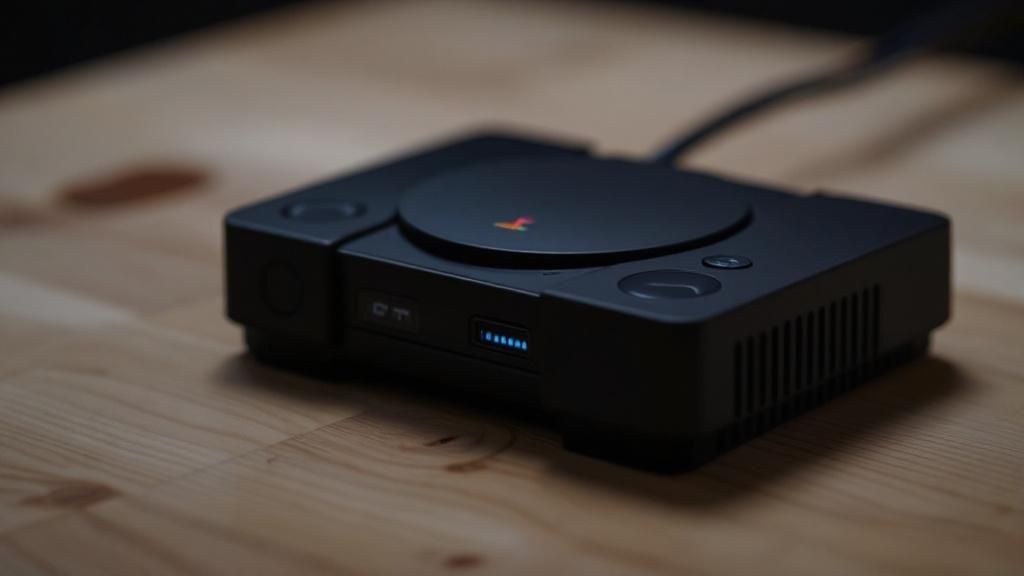
Sony has revealed a substantial broadening to its legacy support initiative, delivering a fresh wave of cherished retro PlayStation titles to contemporary consoles. This strategic move enables gamers to revisit nostalgic favourites from past console cycles without requiring legacy equipment. The enhanced offering delivers better frame rates and upgraded visuals on current hardware, closing the divide between retro gaming and cutting-edge technology. Explore which iconic games are joining the roster and how this advancement is transforming the PlayStation’s gaming landscape.
Expanding the Traditional Game Collection
Sony’s backwards compatibility programme embodies a transformative approach to safeguarding gaming heritage whilst embracing modern technology. By expanding the library of beloved PlayStation releases compatible with contemporary consoles, the company demonstrates its commitment to celebrating its rich gaming legacy. This programme ensures that years of remarkable gaming adventures remain accessible to both longtime enthusiasts and new players exploring these enduring favourites for the first time. The expanded library features a wide variety of categories and periods, demonstrating the breadth of PlayStation’s influential history in interactive entertainment.
The programme’s growth tackles a crucial gap in modern gaming by converting difficult-to-obtain titles readily available on modern hardware. Players no longer need to preserve legacy hardware or track down costly used copies to play these iconic games. This democratisation of classic gaming content bolsters the PlayStation platform and fosters player involvement among various player generations. The programme also highlights Sony’s responsiveness to user expectations for comprehensive backwards compatibility options that honour the financial commitment gamers have committed in their game collections over the years.
Next-generation Emulation Systems
The core infrastructure of this backwards compatibility programme relies on sophisticated emulation technology that accurately replicates the original gaming experience whilst optimising performance for contemporary systems. Advanced emulation engines examine classic game code and translate it seamlessly for modern processors, ensuring compatibility without sacrificing authenticity. These technical enhancements extend beyond mere functionality; they enable enhanced frame rates, improved resolution scaling, and faster loading times that significantly elevate the gaming experience. The development teams have devoted substantial resources in achieving this equilibrium of conservation and improvement.
Modern emulation technology integrates machine learning algorithms and predictive processing techniques that predict gameplay requirements and assign resources efficiently. This advanced system decreases lag, reduces stuttering, and offers smoother performance than original hardware could deliver. Additionally, the emulation framework features adaptive quality settings that allow players to tailor their experience based on personal preferences and available system resources. These development breakthroughs represent considerable dedicated development, ensuring that classic games operate smoothly on PlayStation 5 and other contemporary platforms.
Player Accessibility and Ease of Use
Cross-generation compatibility fundamentally enhances gamer accessibility by consolidating gaming libraries across generations within a single ecosystem. Gamers can move effortlessly between new games and classic titles without juggling various consoles or buying games twice of games they previously purchased. The integrated menu makes browsing easier and discovery, letting users to explore their entire collection without difficulty. This efficient system respects players’ time and monetary spending, removing annoying obstacles that formerly prevented enjoying cherished titles and promoting discovery of classic gaming.
The expanded programme also tackles real-world accessibility issues by delivering contemporary convenience features combined with classic gameplay. Players benefit from improved controller support, customisable difficulty settings, and improved visual options that support contemporary gaming standards. Cloud save functionality allows smooth progression across multiple devices, whilst trophy and achievement systems promote engagement with classic titles. These features transform backwards compatibility from a nostalgic novelty into a genuinely practical feature that enriches the PlayStation experience overall for millions of players worldwide.
Benefits to Gamers plus the Industry
Superior Player Experience for Players
The enhanced backwards compatibility programme provides significant improvements to the gaming audience. Players can now experience classic games with better performance, higher resolution, and faster loading times on latest PlayStation hardware. This availability negates the need for maintaining legacy equipment, whilst safeguarding gaming history for coming generations. Gamers benefit from smooth compatibility with modern functionality, including trophy support and cross-platform functionality, enriching their entertainment value substantially.
Economic and Competitive Advantages
From an market perspective, this initiative reinforces Sony’s competitive standing within the gaming industry. By expanding the retro gaming library, PlayStation draws both long-time gamers seeking classic gaming moments and new players discovering established games. This approach optimises the value of established IP, driving renewed interest in long-running series without significant investment. Additionally, the scheme fosters console loyalty and extends the revenue potential of older games, building ongoing income sources through digital distribution channels.
Safeguarding Gaming History
The backwards compatibility expansion plays a crucial cultural function by protecting notable gaming heritage. Classic PlayStation titles embody important milestones in interactive entertainment history, and guaranteeing their availability stops valuable works from falling out of reach. This focus on maintaining reflects the gaming industry’s maturation, accepting that older games deserve recognition and continued accessibility. By preserving these digital artefacts, Sony adds substantially to gaming’s cultural legacy whilst demonstrating corporate responsibility towards maintaining entertainment history.
